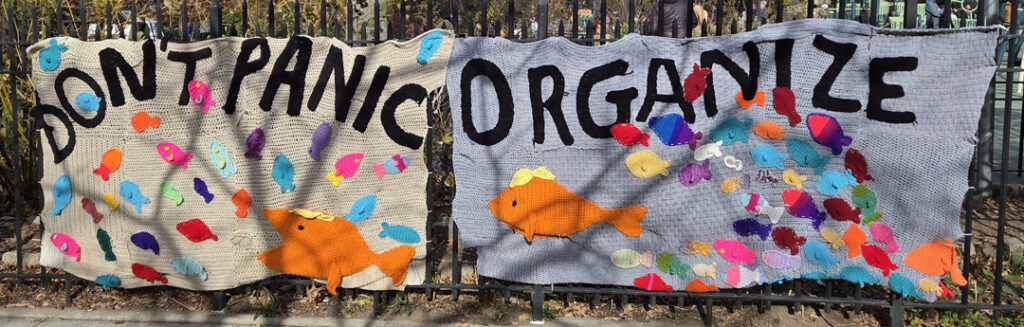
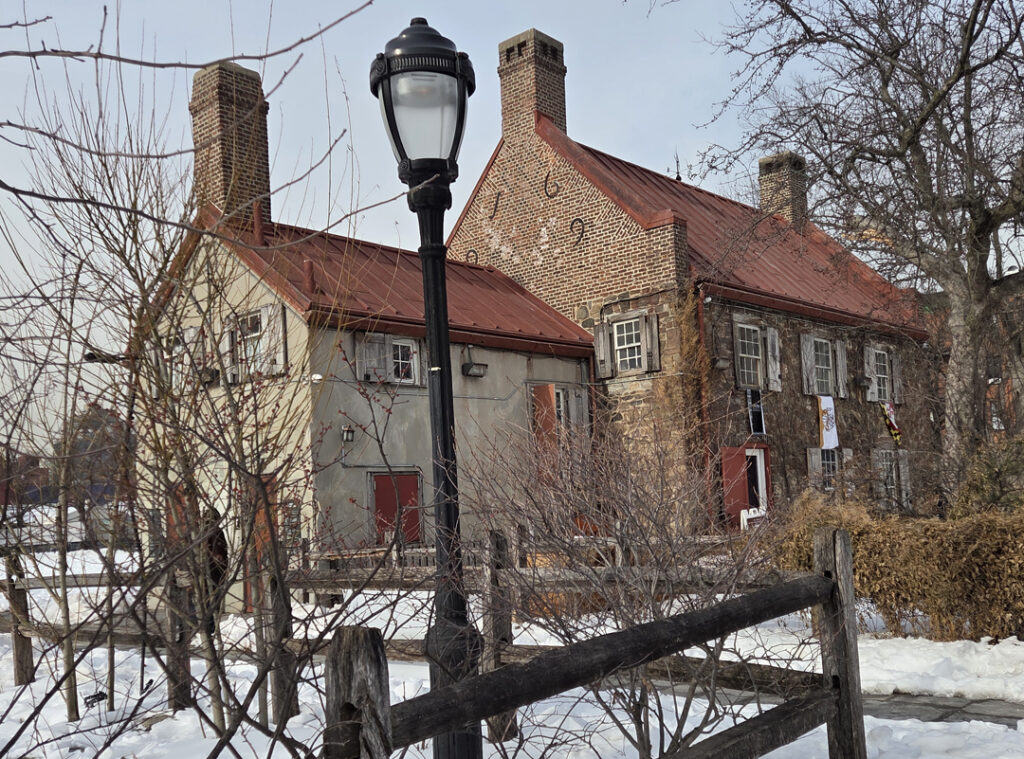
Our Gowanus neighborhood originally consisted of a system of tidal creeks winding through a salt marsh that was also fed by freshwater streams, an area suitable for harvesting oysters, transportation by boat, and growing some crops. During the Battle of Brooklyn, when the regiment known as the Maryland 400 kept British soldiers engaged at the Old Stone House so that General Washington could evacuate his remaining troops, American soldiers drowned or were bogged down in the mud of these salt marshes.
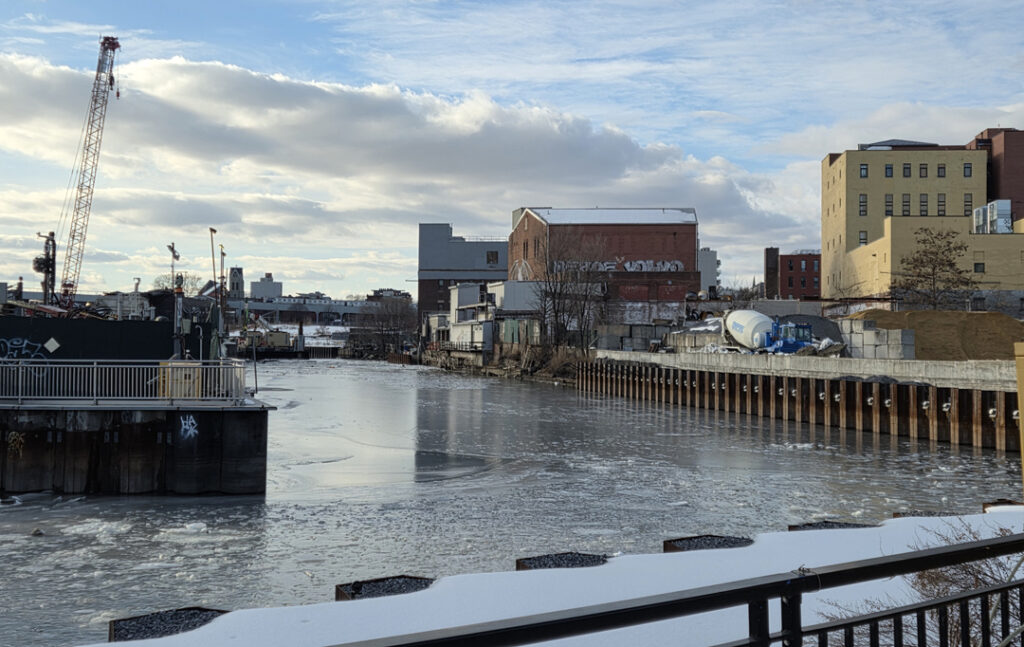
The Gowanus Creek was dredged to create a proper canal in the mid-19th century and its banks became home to a large number of industries, including coal yards, foundries, and manufacturers of gas and ink.
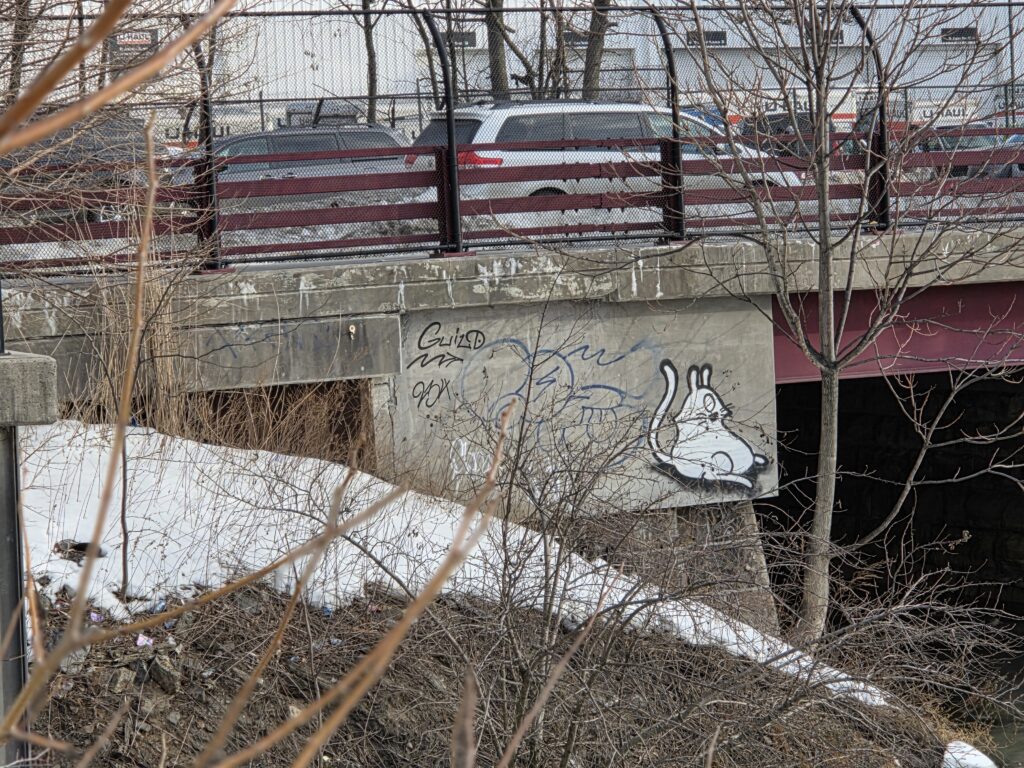
At the same time that the Gowanus Canal was being built, developer Edward Litchfield bought over 240 acres of land from his villa in today’s Prospect Park to the canal and from 1st Street to 9th Street to start his vision of expanding housing in Brooklyn. To build houses in the Gowanus swamp land, the area was drained and Litchfield had 12 feet of dirt from dredging the canal spread over the low parts of our neighborhood; he then built bridges, put in streets and laid out housing plots that became Park Slope and Gowanus.
Unfortunately, no one thought to put an adequate sewer system that could handle all of this new development, so Brooklyn grew but the government never spent the money necessary for an updated sewer system. Industrial pollution, sewage that ran downhill from residences, and storm runoff seeped into the Gowanus Canal and the surrounding soil until it smelled so bad that it was nicknamed Lavendar Lake. Various efforts to clean the canal through the years never succeeded and we are still a federal Superfund site that will require long-term cleanup of pollution.
Park Slope and Gowanus deteriorated after World War II ,as people left for Long Island and New York City developed massive financial problems in the 1970s. The Gowanus area was redlined by insurance companies as late as 1986, when some of us had trouble getting home insurance for our buildings.
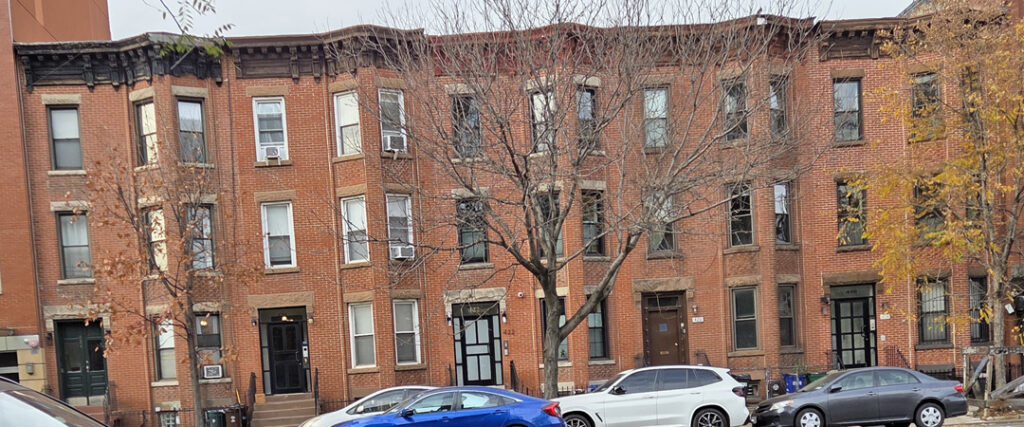
Since then, we have seen an improvement in the whole area as artists and pioneers who appreciated the mix of historic houses, repurposed factories and warehouses, modern businesses, and the Gowanus Canal in all its glory moved into the area.
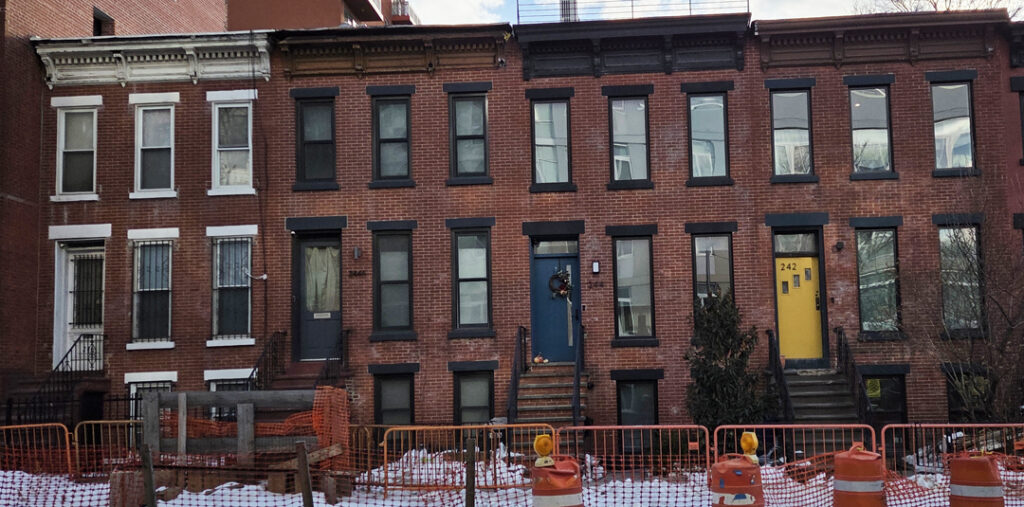
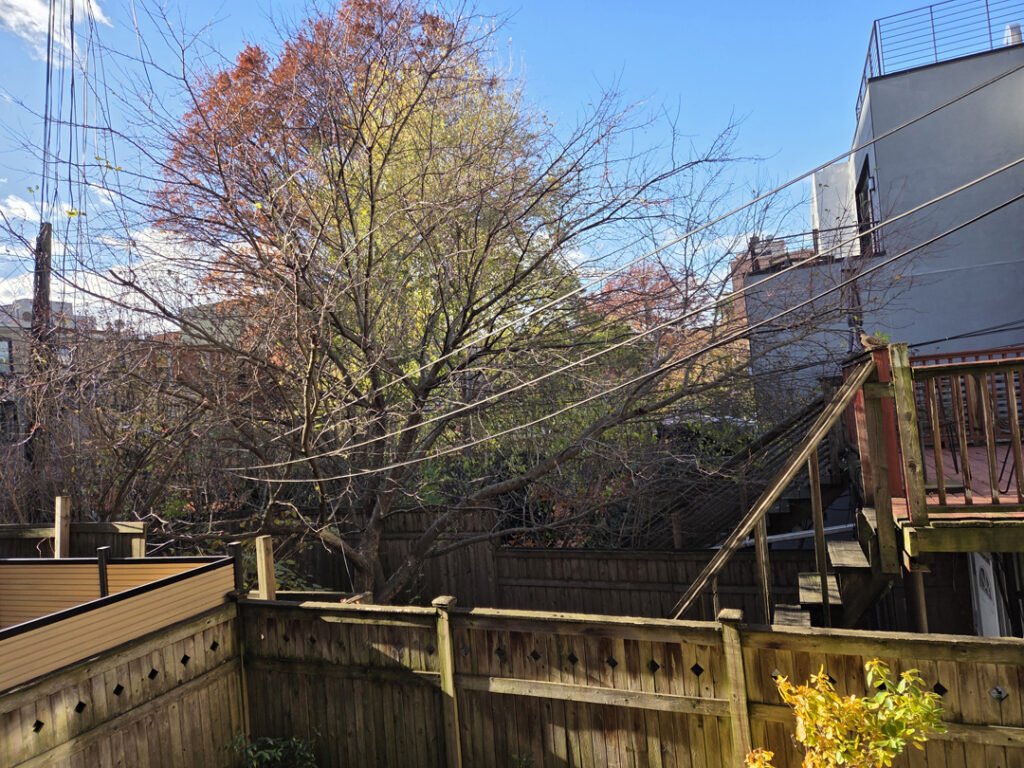
Unfortunately, the state is still trying to clean up the decades of toxic substances caused by the industry in the neighborhood; as a result, our block is designated as a Brownfield as scientists try to map the danger. How will disturbance of so much soil from construction affect the surrounding houses and the residents of the new building if problems are found after completion? The New York State Department of Conservation is still finding buildings that need remedial measures, as seen in this article https://www.star-revue.com/over-20-buildings-tested-in-latest-soil-vapor-intrusion-sampling/?mc_cid=e4e788f77b&mc_eid=495d479bd3
We have worked hard through the years to preserve our houses, create a safe, vibrant neighborhood and offer affordable rents, all of which is now threatened by yet another developer.