New York city needs more housing, but the promises of affordable housing by our politicians bear little resemblance to the actual destruction of the Gowanus Canal neighborhood for more massive, luxury, high-rise apartment buildings for the rich. Maybe explaining why this neighborhood is special and how developers are destroying historic houses offering affordable rent for more housing for the rich (who don’t want to live on a 6-lane highway) will help save another neighborhood. First a few posts on what makes Gowanus special and why unfettered development is not a good idea.
If you haven’t seen our quick description of what we are fighting, visit our website at https://www.savegowanusliving.org/
THE EARLY DAYS OF OUR NEIGHBORHOOD
The Gowanus area was originally a series of tidal creeks winding through a saltwater marsh; the land was so wet that some of George Washington’s troops drowned while retreating in the rain during the Battle of Brooklyn in 1776.
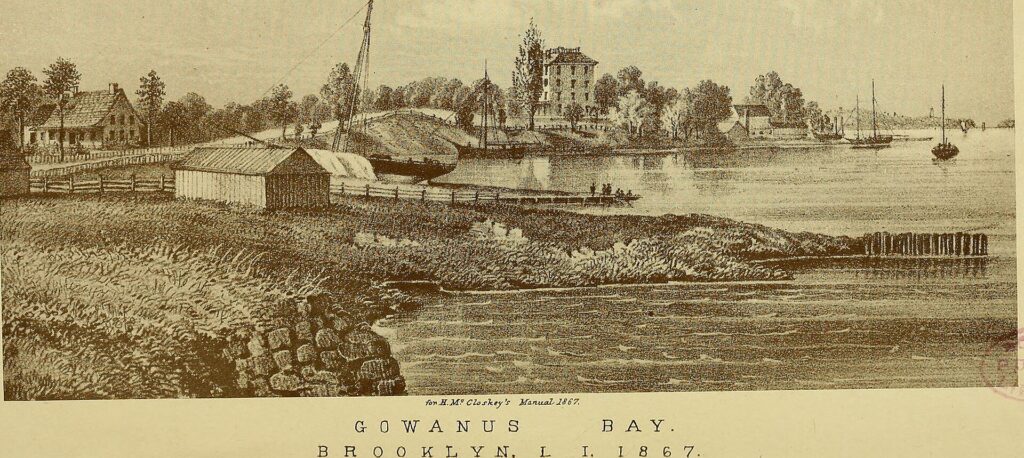
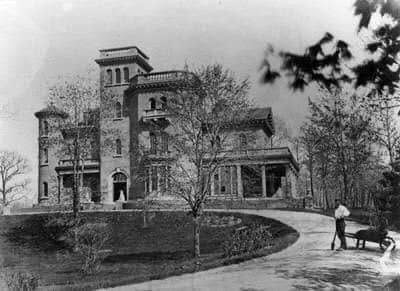
The area was later drained to make farmland and provide ponds for local mills; additionally, the Gowanus Creek turned out to be so useful for travel that it was enlarged in the 1860s to create a major canal for businesses and manufacturers. At the same time, Edwin Litchfield, prominent Brooklyn lawyer and businessman, turned farmland into streets and lots for houses and businesses that were located mere blocks from his villa in what is now Prospect Park. Our block on 4th Avenue between 7th and 8 Streets was part of that plan for development of an area that stretched from about 1st Street to 9th Street.
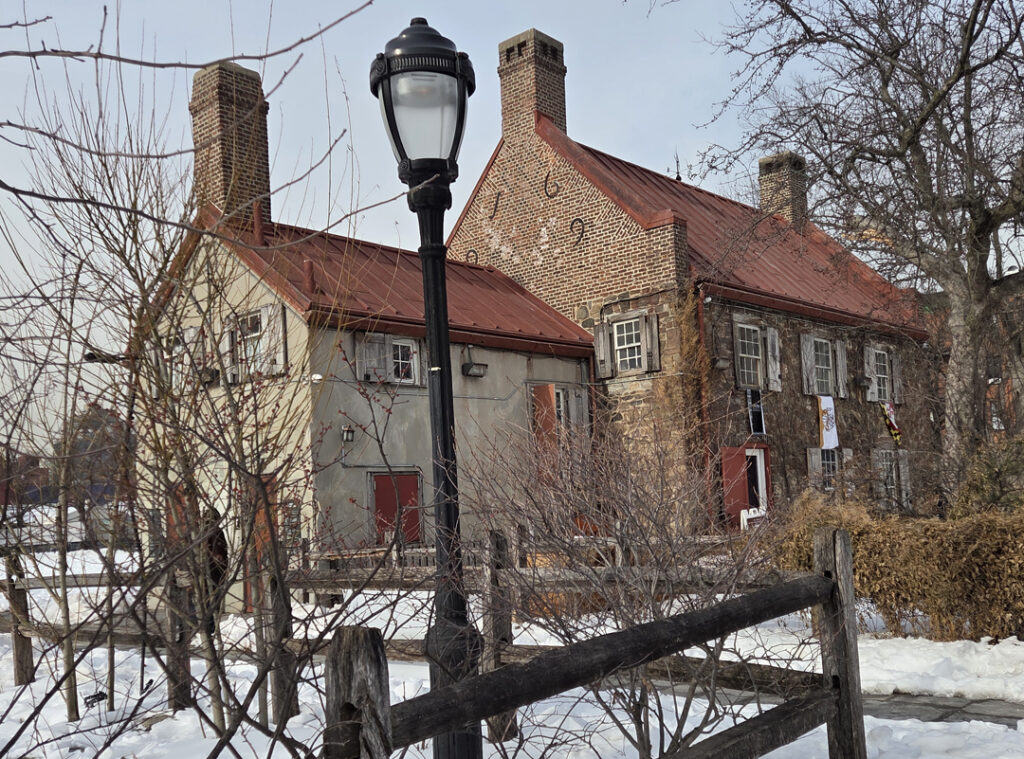
Litchfield raised the level of the land near the Old Stone House to create these plots and streets that became 4th and 5th Avenues by covering it with 12-16 feet of dirt that was dredged from making the Canal larger and deeper. Even the remains of the original Vecht house (now the Old Stone House), built before 1704 and scene of an important part of the Battle of Brooklyn, was eventually buried under all that fill dirt. For photos of raised streets around the Old Stone House, take a look at this engineers’ report starting on page 11: https://s-media.nyc.gov/agencies/lpc/arch_reports/2042.pdf. The Old Stone House remained buried until a commemorative plaza was planned in 1926, but the remains of the structure weren’t found until 1933.
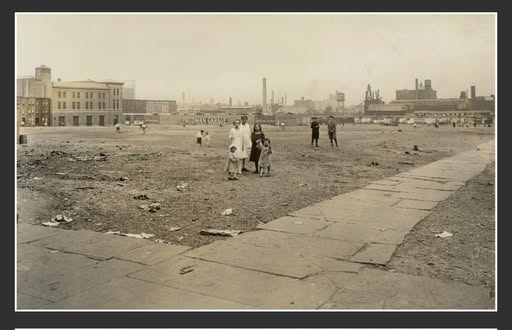
With the wider and deeper Gowanus Canal making transport easier, businesses such as gas plants, chemical plants, coal yards, cement works, lumber yards. tanneries, ink manufacturers, and milk bottlers sprang up around the Gowanus Canal and surrounding area. By the early 1900s, the Canal was the busiest industrial canal in the United States, transporting more than 6 million tons of cargo per year.
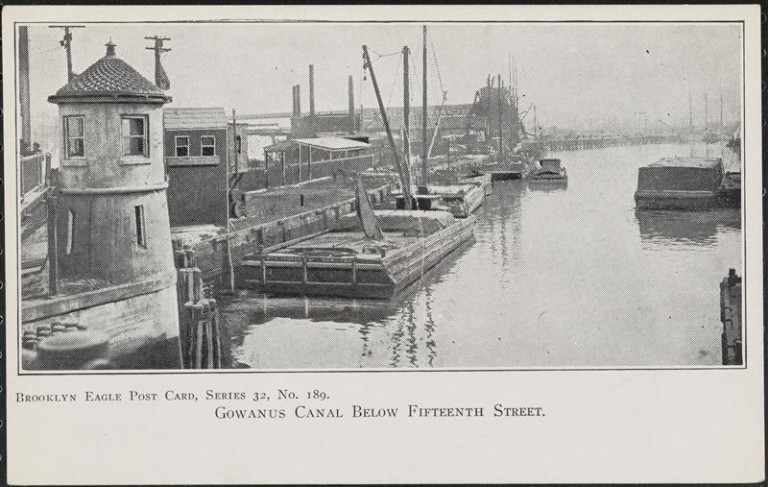
Not all of the industry was confined to the shore of the Gowanus Canal, some of it was situated in our neighborhood between 4th and 5th Avenues.
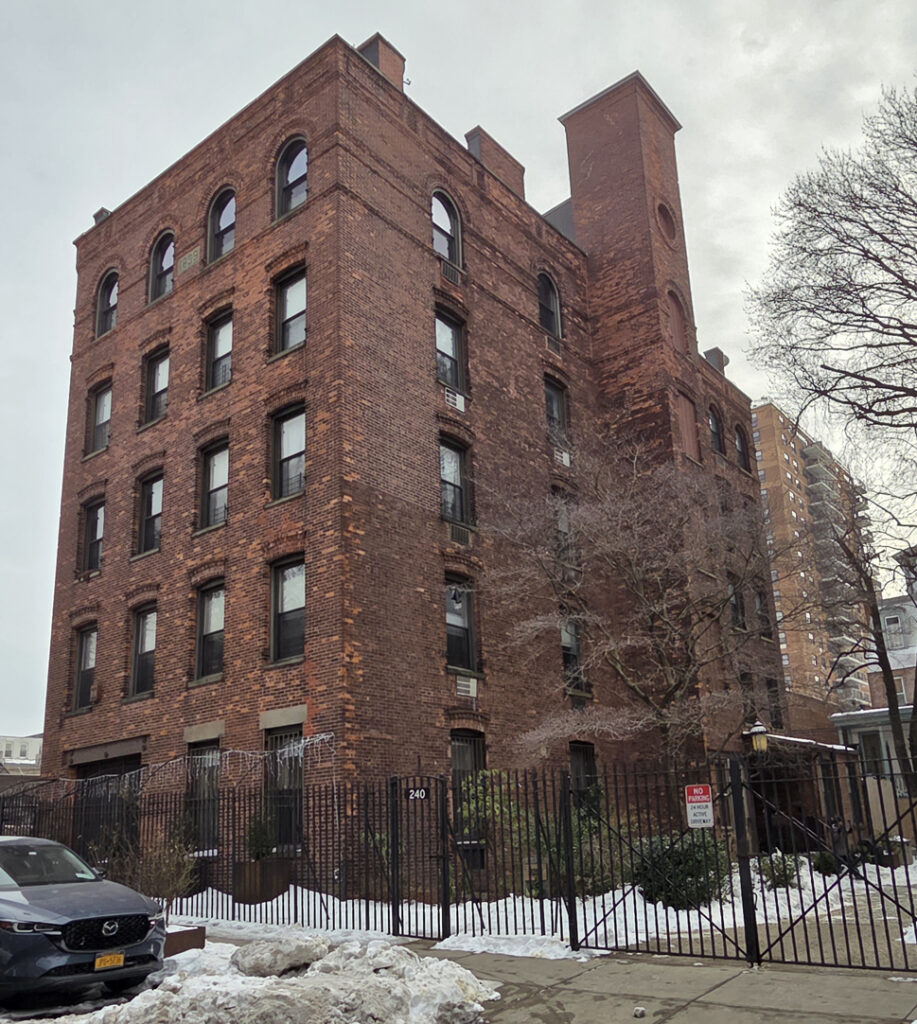
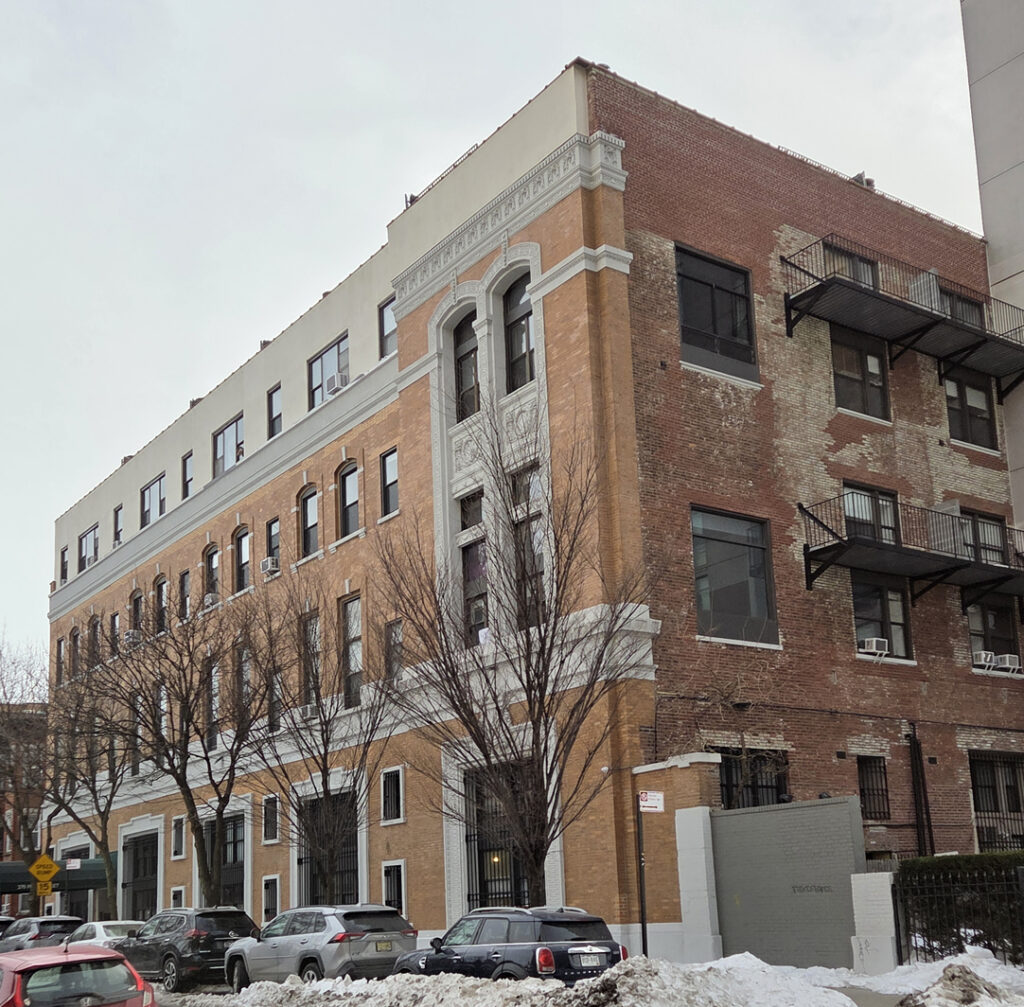
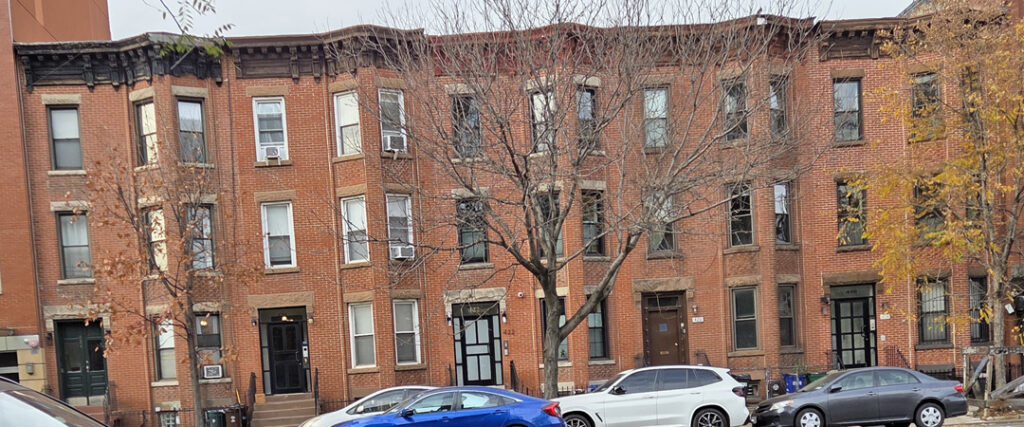
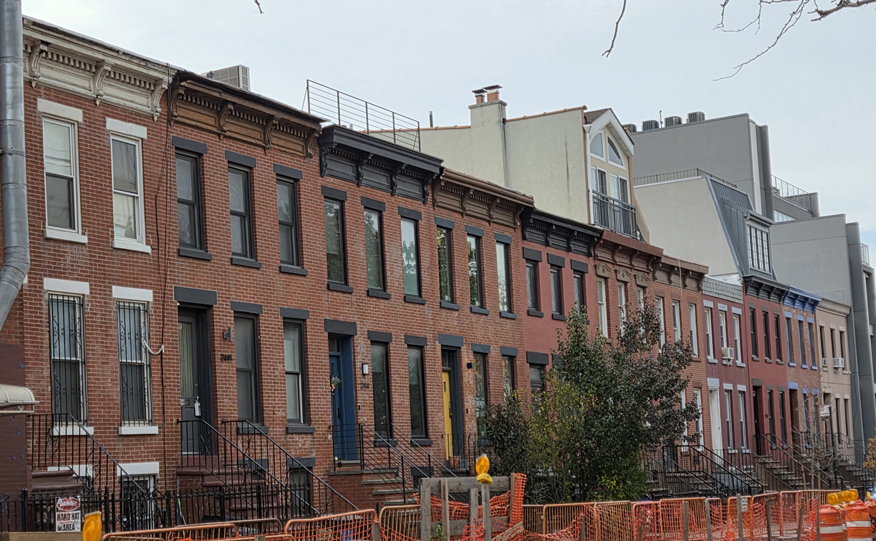
As businesses thrived, 2-and-3-family houses for the middle class were built on our block of 4th Avenue, 7th Street, and 8th Street. Houses on 4th Avenue alternated with commercial buildings or vacant lots; the 2 larger buildings at the ends of our block were built about 1930.
Most of the houses on our block were built before 1900, though in a plan common for that time. The houses were constructed near the avenues or streets with a small yard in front and individual yards in back that combine to form a large greenspace. The 3-family houses on 4th Avenue have a small, 15-foot yard and the 2-family houses on the side streets have a backyard that extends halfway down the block.
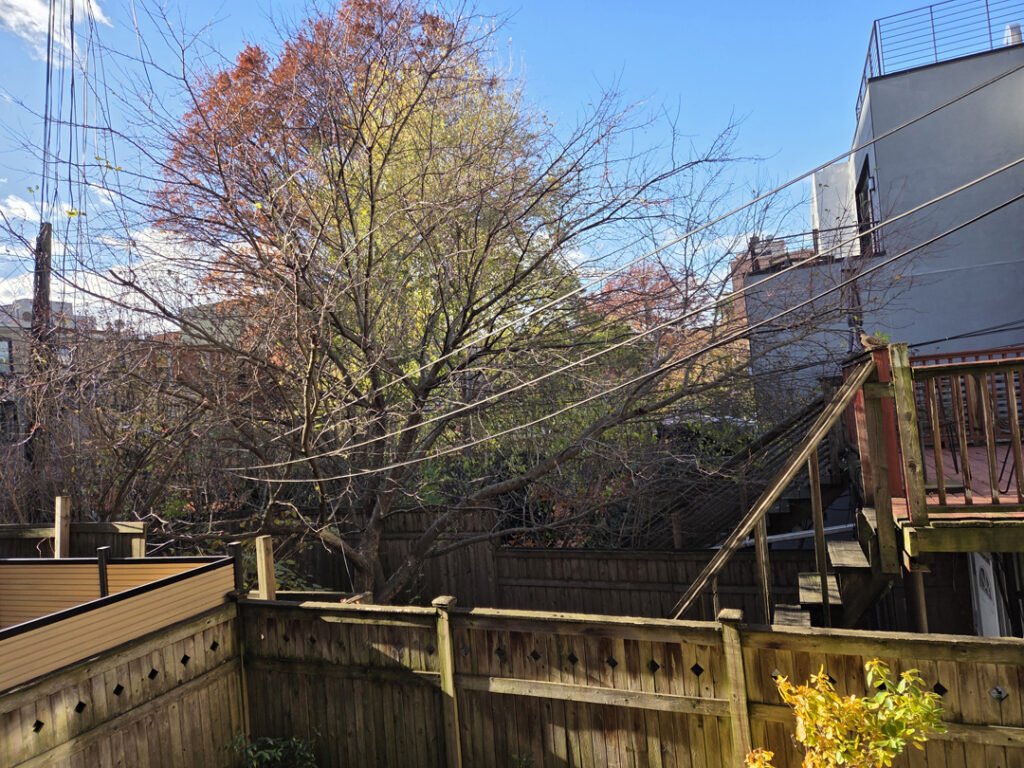
Next time, the greenspace for the block.
Leave a Reply